
Checking for a Warrant in Gratiot County
Warrants in Gratiot County come from the courts, not from a public website. A judge or magistrate signs the order, and law enforcement carries it out. The 65B District Court and the 29th Circuit Court issue most warrants tied to local cases. The Gratiot County Sheriff serves them. There is no online county warrant list to browse, and the sheriff's office does not post a public roster of open warrants.
That means a warrant check here runs through people, not a search box. The fastest route is a direct call. The Gratiot County Sheriff's Office answers at 989-875-5211 for the jail division and 989-875-5214 for administration. The 65B District Court clerk takes warrant and case questions at 989-875-5240. Circuit court matters go through the clerk line at 989-875-5224. The county clerk, who holds circuit filings, can be reached at 989-875-5215. A records check can be requested by phone, fax, email, mail, or in person.
The table below lists the main phone channels and what each office handles. Use it to pick the right number before you dial.
| Office | Phone | Handles |
|---|---|---|
| Sheriff's Office (Jail) | 989-875-5211 | Warrant service and custody questions |
| Sheriff Administration | 989-875-5214 | General warrant and civil-process questions |
| 65B District Court | 989-875-5240 | Misdemeanor and traffic warrants |
| 29th Circuit Court | 989-875-5224 | Felony and family case warrants |
| Gratiot County Clerk | 989-875-5215 | Circuit filings and record checks |
The Gratiot County Sheriff's Office page lists these divisions and the civil unit that serves paperwork. Non-court county documents can also be requested through the county's public-records process, shown on the Gratiot County FOIA page.
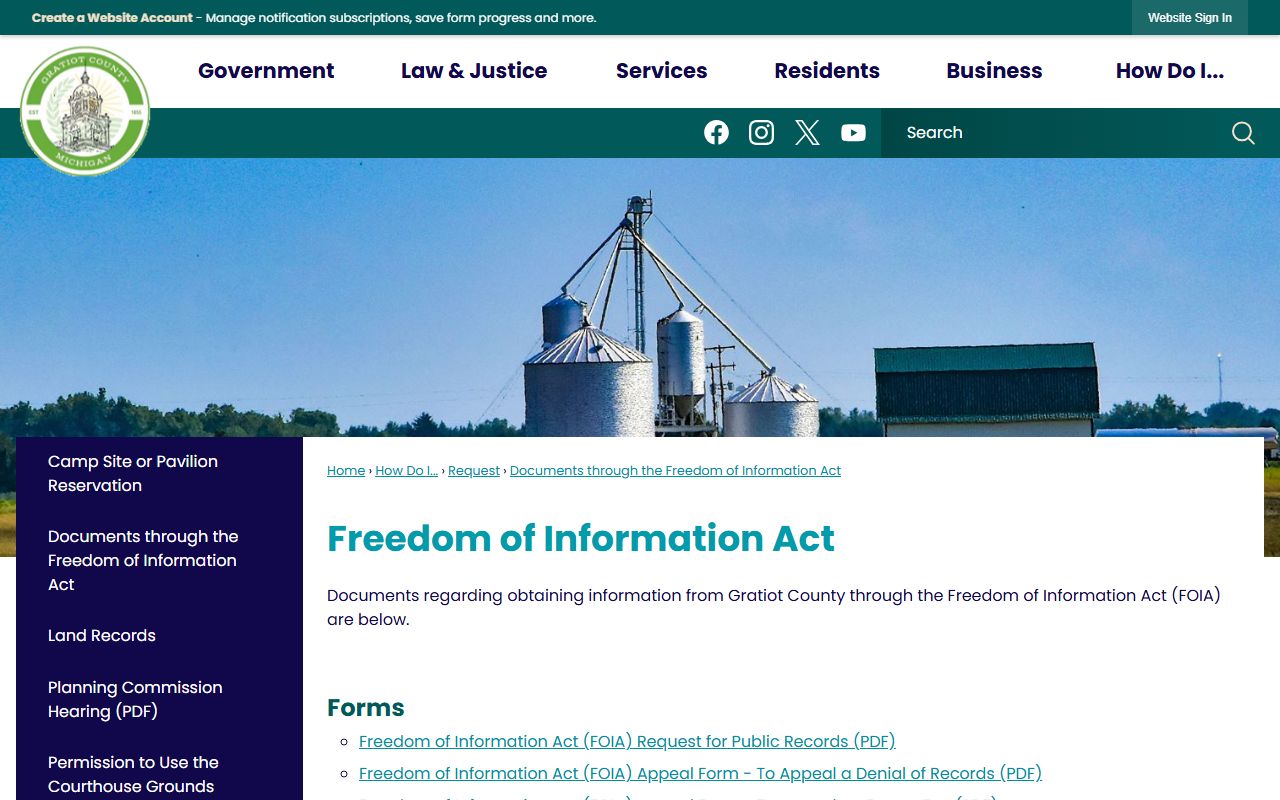
The FOIA route covers sheriff and county files, though court warrant records stay under the court's own access rules. That split is why a warrant question often needs both a call to the court and a call to the sheriff.
Note: The sheriff charges a $10 warrant fee, so ask about the cost before requesting copies of any warrant paperwork.
How to Check for a Gratiot County Warrant
A warrant check works best in order, from the court most likely to hold the file out to the broader state system. Start with the case type and the person's identity. Then match those details to the right office.
Have the full legal name and the date of birth ready before any call. Staff match records on those details, and a common name without a birth date can slow the search. The steps below outline the usual path.
- Identify the court. Misdemeanor and traffic warrants sit in the 65B District Court. Felony and family matters run through the 29th Circuit Court.
- Gather the full name and date of birth for the person in question. Staff use both to confirm a match.
- Call the office that fits the case type. Use the sheriff line for service questions and the court clerk for case status.
- Ask for a records check if the phone answer is unclear. Requests can go by fax, email, mail, or an in-person visit.
- Confirm case status through the statewide MiCOURT case search when a case number is known.
- Bring photo identification and any fee if you visit the counter in person.
The court's own Resources from the Court page gathers the district and specialty-court links a person may need along the way.
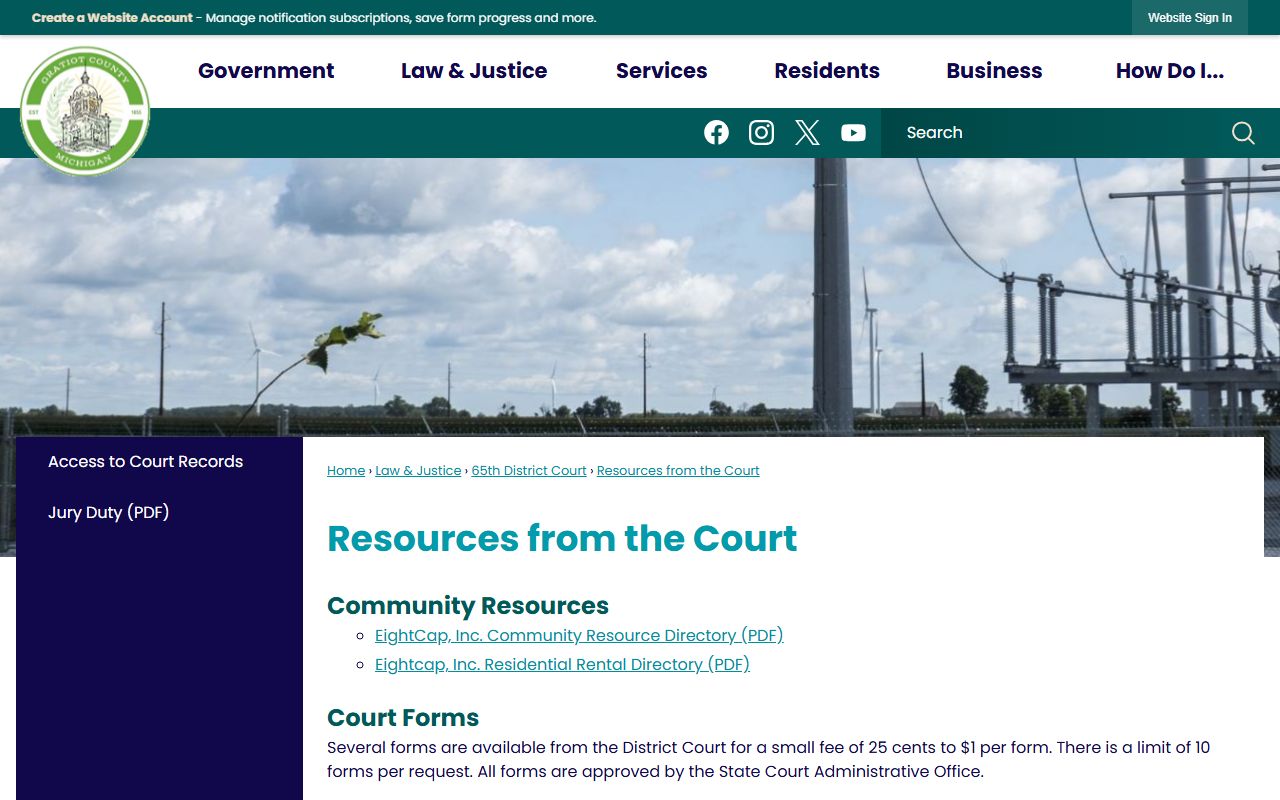
Those links help confirm which division holds a file before a call is placed. When a case is older than 1996, expect a manual index-book review rather than an instant answer.
Types of Warrants in Gratiot County
Not all warrants mean the same thing. Some name a specific charge. Others simply order a person back to court. The terms below cover the warrants a resident is most likely to hear about in a Gratiot County case.
- Arrest warrant
- Signed after a complaint is filed, it lets police take a named person into custody on a specific charge.
- Bench warrant
- Issued by a judge from the bench, usually for a missed court date or an unpaid court obligation.
- Search warrant
- Authorizes officers to search a described place or item for evidence tied to a case.
- Capias or failure to appear
- A body attachment that brings a person to court after a no-show or a broken condition of release.
A signed warrant becomes part of the case file. The charge, bond amount, and hearing dates then appear in the Gratiot County criminal court records. A bench warrant in this county is most likely to route through district-court or circuit-court case files, not through any public warrant list.
What a Gratiot County Warrant Record Shows
When staff pull a warrant tied to a case, the record carries a standard set of fields. These details tell a person why the warrant issued and what it will take to resolve it. The table lists the fields a Gratiot County warrant record commonly shows.
| Field | What It Shows |
|---|---|
| Warrant Number | The unique ID the court assigns to the order. |
| Issue Date | The date the judge or magistrate signed it. |
| Issuing Court | The district or circuit court that ordered it. |
| Charge | The offense or reason behind the warrant. |
| Bond Amount | Money or terms set for release, if any. |
| Subject Name | The named person the warrant is for. |
| Status | Whether the warrant is open, served, or recalled. |
Public views may not show every field. Staff can redact sensitive detail, and sealed matters stay off the open display. The records office can explain what is visible before you pay for a certified copy.
What to Do About a Gratiot County Warrant
Finding out about a warrant is stressful, but ignoring it makes things worse. An open warrant can lead to an arrest during a traffic stop, at work, or at home. It can also hold up a license renewal or a job. The safer path is to confirm the warrant and deal with it on your own terms.
Start by confirming the warrant with the court that issued it. Ask the clerk about the charge, the bond, and any scheduled hearing. A judge may let a person post bond or set a new court date. For a bench warrant tied to a missed appearance, the court can sometimes lift it once the person appears and reschedules. Many people arrange a voluntary surrender through counsel rather than wait for an arrest.
An arrest on a warrant leads to booking at the county jail, where the person then shows on the roster. The Gratiot County jail holds up to 70 inmates and books new arrivals around the clock. Custody and bond details for that stage live in the Gratiot County inmate records. Knowing the bond amount ahead of time helps a family prepare. The sheriff's civil division serves warrants and other court paperwork, so a call to that unit can confirm whether an order is out for service.
Important: Talk with a lawyer before turning yourself in, since counsel can arrange the surrender, argue bond, and protect your rights at the first hearing.
Statewide Warrant Channels for Gratiot County
Some searches reach past the county. When a person has moved through the state prison system or is being sought statewide, Michigan runs public tools that supplement the local phone check. These do not replace a call to the Gratiot County courts, but they add useful context.
The Michigan Department of Corrections posts a statewide most-wanted list of absconders and parole violators.
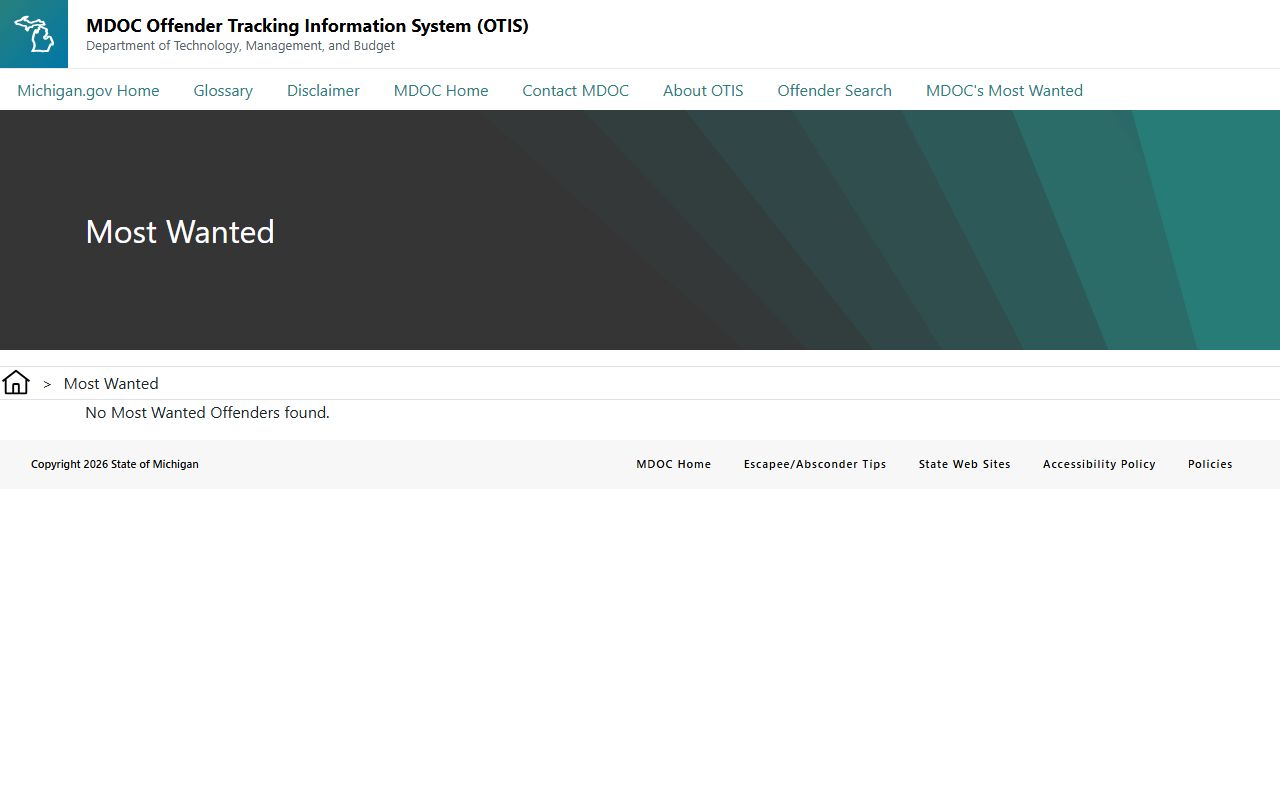
That OTIS most-wanted page is a state list, not a county warrant roster, so a local charge may not appear there at all. It is best used to check whether a person is wanted for a corrections violation.
The state also runs a public sex-offender registry, which many residents check alongside a warrant question.
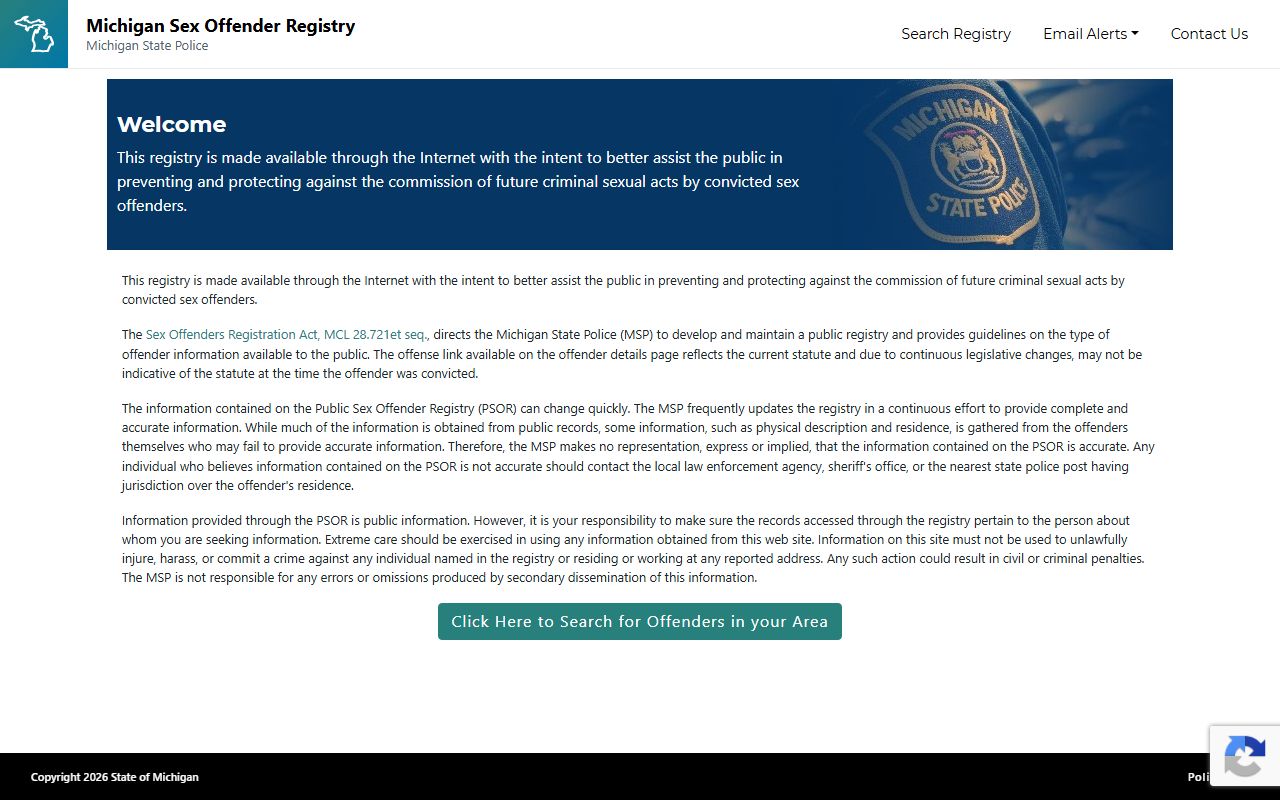
The Michigan Sex Offender Registry lists registered offenders by name and area. It answers a different question than a warrant check, but the two searches often come up together.
Federal Warrants Affecting Gratiot County
Federal warrants follow a separate track from county and state orders. They come out of the federal court system and are enforced by federal agencies, not the county sheriff. Gratiot County sits within the Eastern District of Michigan for federal matters.
Fugitive and federal arrest warrants are handled by the U.S. Marshals Service, while charging decisions run through the U.S. Attorney's Office for the district.
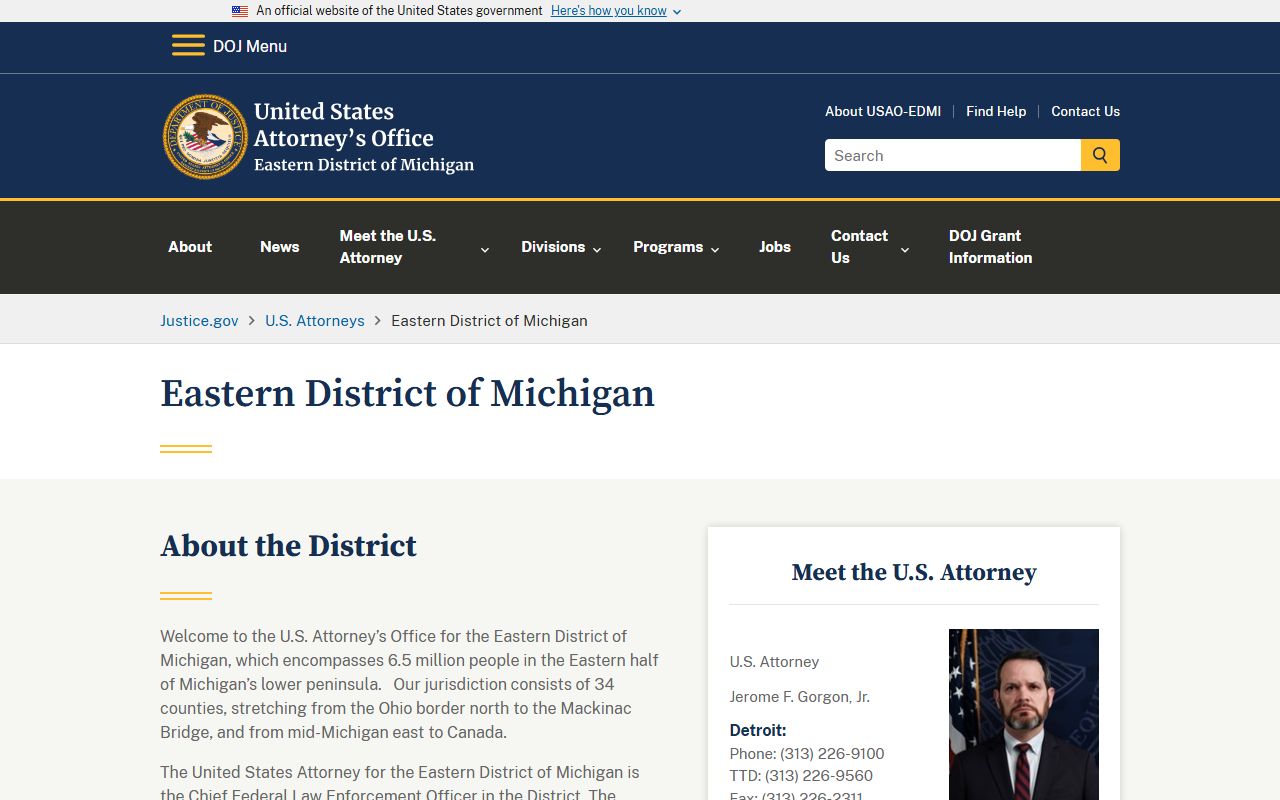
The U.S. Attorney's Office for the Eastern District of Michigan prosecutes federal crimes for this region. For an active federal fugitive matter, the U.S. Marshals Service is the lead agency. Neither office posts local county warrants, so a county case still runs through the district or circuit court.
Restricted Gratiot County Warrant Records
Not every warrant is open to the public. A court can seal a warrant to protect an active investigation. Search warrants in particular may stay under seal until they are served or a judge lifts the order. Sealed matters do not show on the public court calendar or the records terminal.
Juvenile warrants carry the tightest limits. Youth files run through the county's juvenile-court supervision, and public access is narrow. Federal warrants stay in the federal system and are not part of the county lookup at all.
There is no local warrant-amnesty event and no active most-wanted page in the county's own materials. Gratiot County does not run a public "clear your warrant" web tool. The county does offer a public safety app, the Gratiot Safe App, but it sends alerts and safety tips and is not a warrant or records lookup. A person who suspects a warrant should verify status directly with the district court or the county clerk, then work with counsel to resolve it.