
Gratiot County Arrest Records and Court Charges
A Gratiot County arrest record is the account of an arrest itself. It names the person taken into custody, the arresting agency, and the booking that follows. County deputies and city police make arrests across Gratiot County. The Gratiot County Sheriff runs the jail where booking takes place. An arrest, on its own, is not a charge. After the arrest, the county Prosecuting Attorney reviews the case and decides which formal charges to file. Those charges go to the court clerk and become the court charge record. That step turns a police action into a case the court can hear.
Two records grow from the same event. The arrest and booking side lives with the sheriff and the jail, and names, booking dates, and custody status appear on the jail roster and in the county inmate records. The court charges after arrest are a separate file. They track what the prosecutor filed and how each count moves through the case. Reading both gives the full picture. The charges start the case, while the outcome and the sentence land in the county criminal court records. This page stays on the arrest-to-charges side and the charge record the court keeps.
How to Find Gratiot County Arrest Records and Charges
Charges and their status show up in the court case file, not on a booking sheet. The best starting point is the statewide MiCOURT case search, which covers cases across Michigan and lets you look by name or case number. For circuit matters, the Gratiot County Clerk holds the filings and can run a record check for a set fee. The clerk search covers a ten-year window per name and uses a short record search request form. Arrest and booking detail is a different lookup, so custody questions route through the jail roster instead of the case search.
- Open the statewide case search and pick the right court level.
- Search by the defendant's name or by the case number.
- Open the matching case and read the list of charges.
- Check each charge's statute code, severity level, and current status.
For older Gratiot County files, staff can pull records by phone, fax, email, mail, or in person, and public terminals at the courthouse cover deeper lookups. Charges that led to a state prison term also roll up into the Michigan Department of Corrections offender search. The state shows charge data on its OTIS results page.
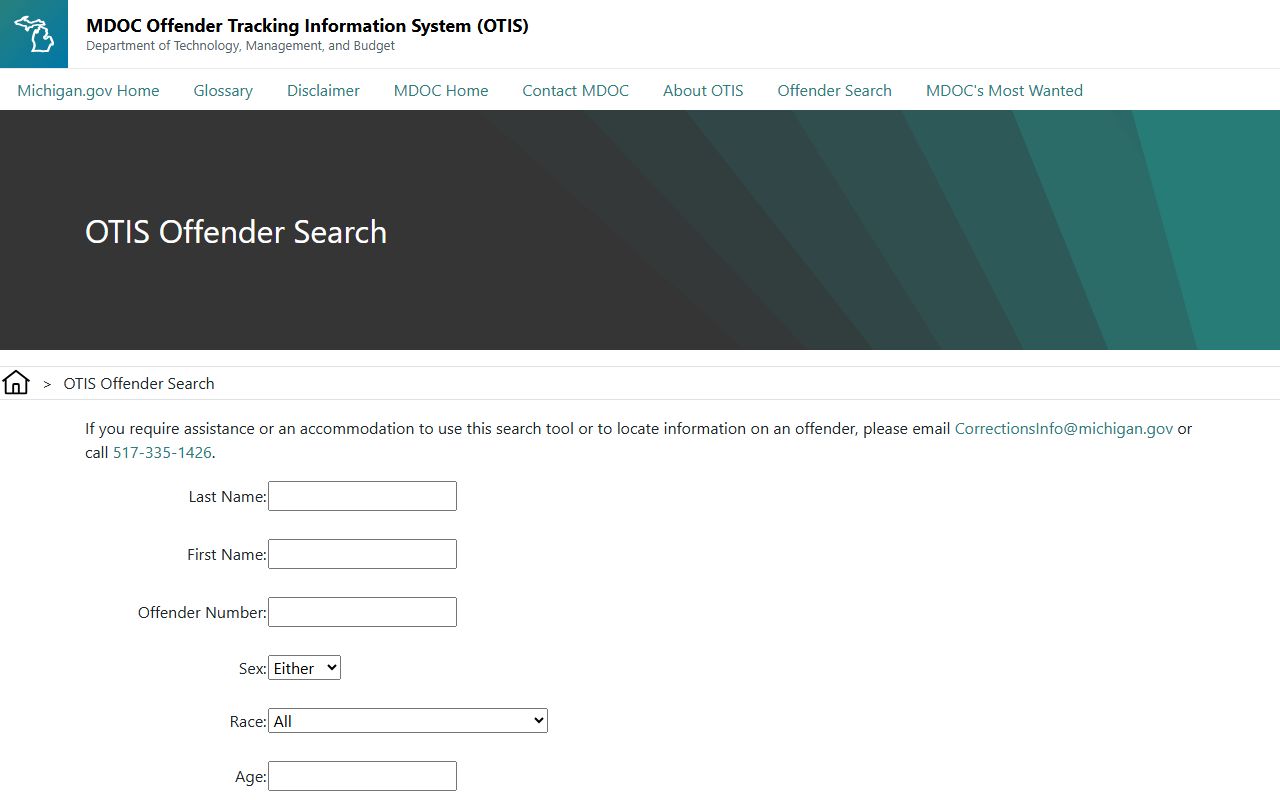
Each result row lists the offender number, the name, and the MCL charge code tied to the conviction. That layout helps a reader match Gratiot County arrest records against a statewide file.
How Gratiot County Charges Get Filed After an Arrest
The charge record begins with a charging document. After an arrest and booking, the Gratiot County Prosecuting Attorney reviews the police report and decides what to file. In Michigan, most cases start with a complaint. Felonies often move to an information after a preliminary examination. A grand jury indictment is rare but possible for serious felonies. Each document names the charges and starts the case.
| Complaint | Information | Indictment | |
|---|---|---|---|
| Filed By | Officer / Prosecutor | Prosecutor | Grand Jury |
| Common For | Misdemeanors | Many felonies | Serious felonies |
| Starts | The case | The case | The case |
The path depends on the level. A misdemeanor can run start to finish in the 65B District Court. A felony begins there too, with an arraignment and a preliminary exam, then binds over to the 29th Circuit Court. All circuit civil, criminal, and family filings route through the county clerk, so the charge record for a felony ends up in the clerk's index once the case moves up.
The charging document lists each count in plain terms. It states the offense, the date, and the statute the charge rests on. At arraignment, a judge reads those counts and the defendant enters a plea. Bond terms are set at the same stage. From that point the charges are locked into the case file, and any later change to a count is logged as an event. That record is what a Gratiot County charge search pulls up, whether the case is still open or long closed.
Gratiot County Charge Status Explained
Charges rarely stay frozen. As a case moves, the prosecutor may amend a count, reduce it, add a new one, or drop it. The court can dismiss a charge outright. The case file logs each change with a date, so the status field shows where a count stands right now. Reading that field is the fastest way to tell whether a Gratiot County charge is still live.
| Status | What It Means |
|---|---|
| Pending | Filed and active, with no final outcome yet. |
| Amended / Reduced | Changed by the prosecutor, often to a lower charge. |
| Dismissed | Ended by the court, with or without the option to refile. |
| Nolle Prosequi | Dropped by the prosecutor, who declines to pursue it. |
Note: A status can shift between hearings, so a charge listed as pending today may be amended or dismissed by the next court date on the file.
Gratiot County Charges vs. Convictions
A charge is an accusation. A conviction is a finding of guilt. The gap between them matters. Many charges get reduced, dismissed, or dropped before any verdict. A person can be charged and never convicted at all. Both the charge and the conviction can sit in the public court record, so a Gratiot County search may show a charge that later ended in a dismissal.
| Charge | Conviction | |
|---|---|---|
| Stage | Accusation | Verdict or plea |
| Burden of Proof | Probable cause | Beyond reasonable doubt |
| Public Record | Yes | Yes |
Read the disposition before you judge a record. The final line tells you whether a charge became a conviction or fell away first. A single case can hold several charges with different results, so one count may end in a plea while another is dropped. The status and disposition fields, read together, give the true state of a Gratiot County charge record.
Sealed vs. Expunged Charge Records
Michigan draws a line between sealing and expungement. A sealed record is hidden from public search but still exists. An expunged, or set-aside, record is treated as if the conviction never happened for most purposes. Both need a court process, and eligibility is narrow. Neither is automatic just because a charge was old or minor.
| Sealed | Expunged | |
|---|---|---|
| Visibility | Hidden from public | Set aside and treated as never existed |
| Law Enforcement | Limited access | Very limited |
| Eligibility | By court order, limited categories | Eligible convictions after a set waiting period |
Eligibility depends on the offense and the wait since the case closed. The expungement statute sets the rules, and a newer clean-slate law can set aside some convictions automatically. Filing runs through the Gratiot County circuit court, with the county clerk handling the local paperwork.
Gratiot County Charge Codes and Severity Levels
Every charge ties to a statute. Michigan codes each count to a Michigan Compiled Laws (MCL) number, which pins down the exact offense. The code sets the severity too. A civil infraction is noncriminal, like most traffic and ordinance matters. A misdemeanor carries up to one year in jail. A felony carries more than one year and can send a case to state prison. One arrest can produce several charges at once, each with its own code and level.
Charge codes follow a case into state supervision, tracked by the MDOC parole and probation division.
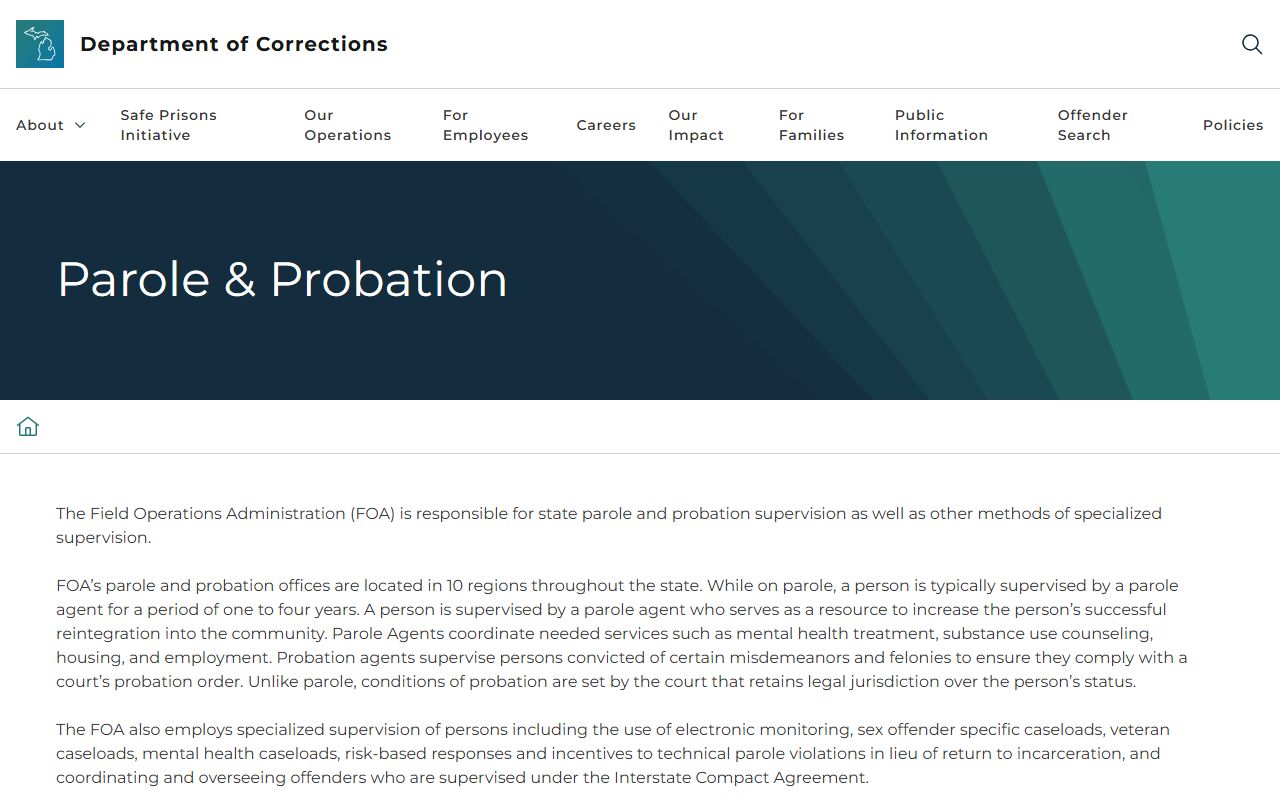
The same MCL codes that appear on Gratiot County charge records show up on the state file when a sentence includes supervision. The severity level drives almost everything next, since it sets the court, the bond range, and the possible sentence.
Statewide Charge and Criminal History Records
Charges do not stop at the county line. When a Gratiot County case leads to a state prison sentence, the charge and its statute code roll up into the Michigan Department of Corrections offender search, called OTIS. The tool is free and open to the public. It searches by last name, first name, or offender number, and it filters by sex, race, age, and status. The state runs the offender lookup through its OTIS search form.
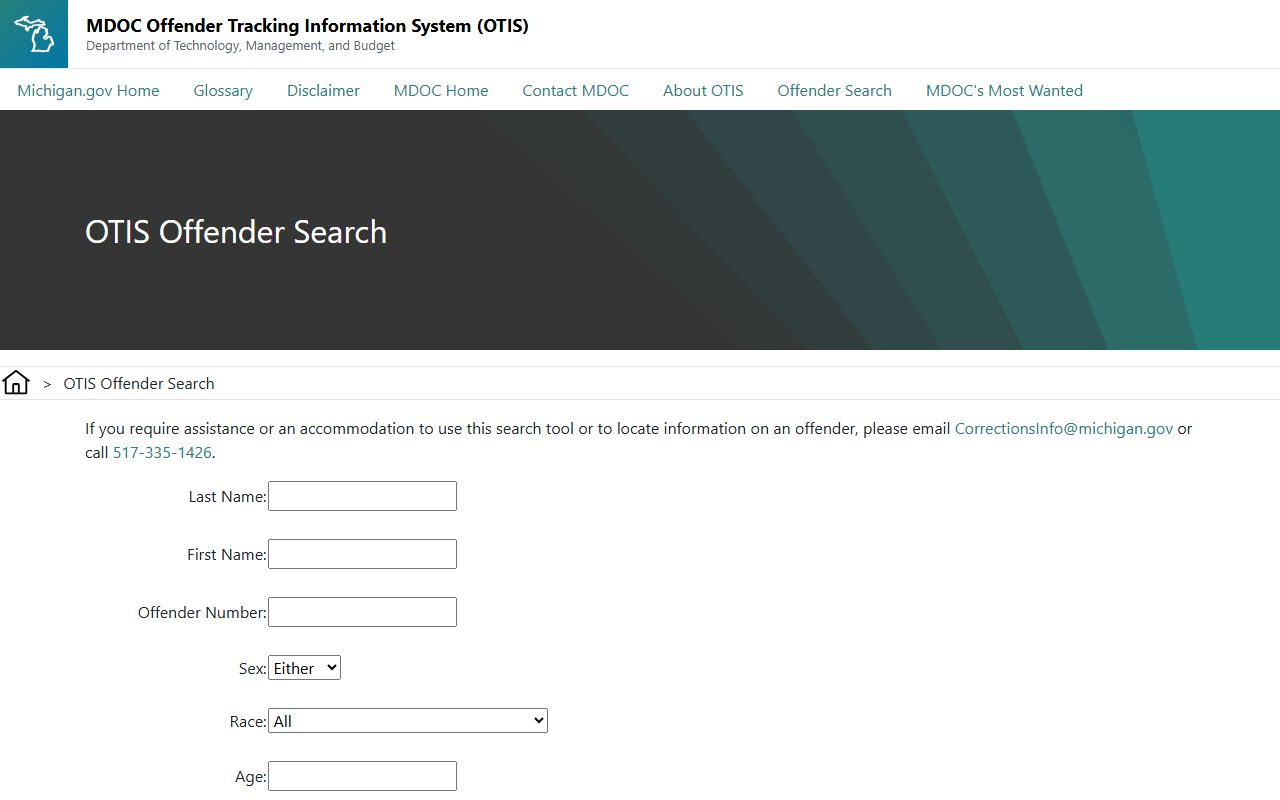
The form gives the fields needed to match a name against Gratiot County arrest records that ended in a prison term. Each result carries the person's charge, the MCL code, the sentence, and the current custody or parole status. Result rows also link to the supervising office, which shows where a person is held or supervised after the charges resolved.
Those rows point to the local supervising office, such as the Region 5 office directory.
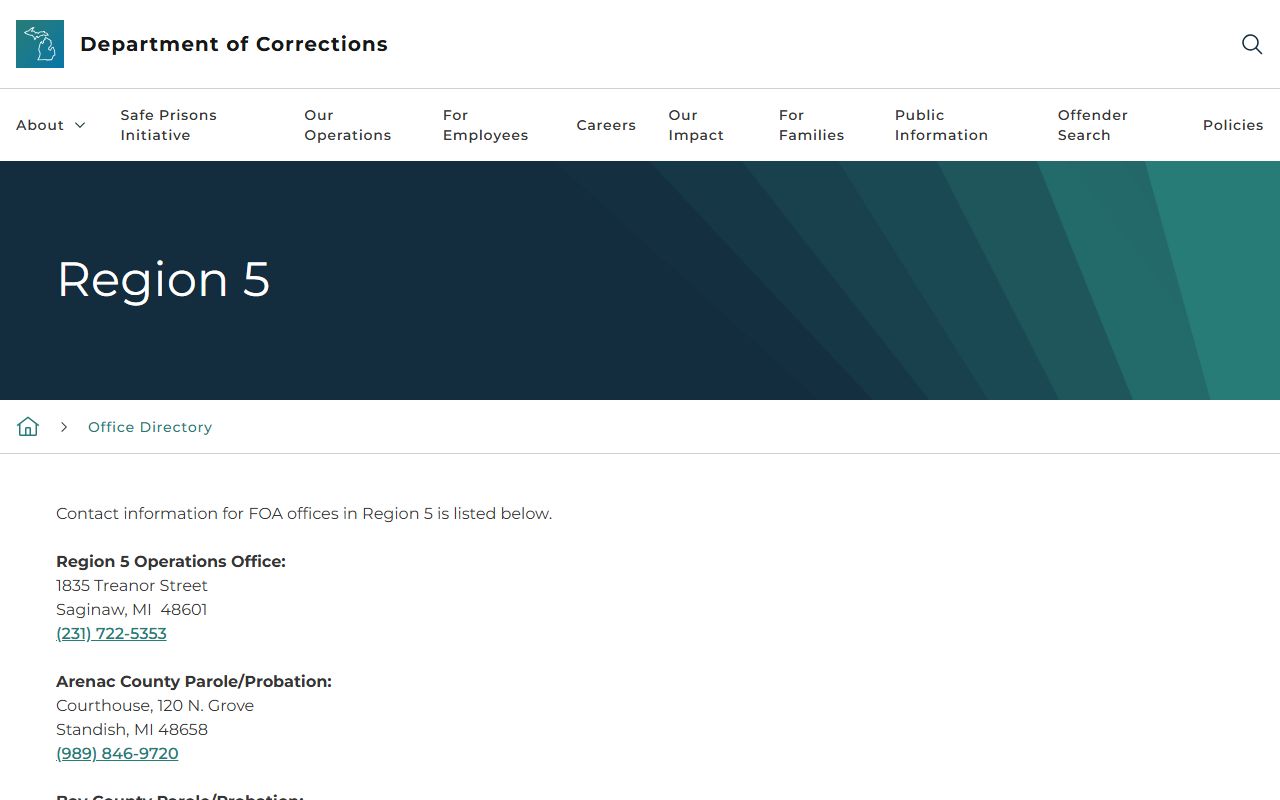
The directory lists the parole and probation offices that cover mid-Michigan, including the area serving Gratiot County charge records. OTIS itself covers state prison, parole, and probation cases only, so local jail time and dropped charges may not appear there. For those, the county court file and the clerk remain the better source.
Background Check Considerations
A casual name search is not the same as a formal background check. Employers, landlords, and licensing boards that need a screening must use a process that follows the federal Fair Credit Reporting Act. Those checks pull vetted, current data and give the subject rights to dispute an error. A quick look at a court portal or an offender search can miss recent updates, sealed counts, or amended charges. For any decision about hiring, housing, or credit, the county clerk record check and a licensed screening firm are the right tools.
Important: This site is not a consumer reporting agency under the FCRA, and its information cannot be used for employment, housing, credit, or other regulated screening.
Restricted Charge Records in Gratiot County
Some Gratiot County charge records stay out of public view. Juvenile charges are the most protected, since youth cases run through juvenile-court supervision. Sealed records are hidden from ordinary search by court order. Expunged charges are set aside under state law and pulled from routine public visibility. Dismissed counts may still show in the case file, though some data gets withheld. Records tied to an open investigation can be held back as well, and FOIA exemptions let certain content be redacted even when a request is filed.
The state also keeps a separate channel for tips and escapee reports on the MDOC contact page.
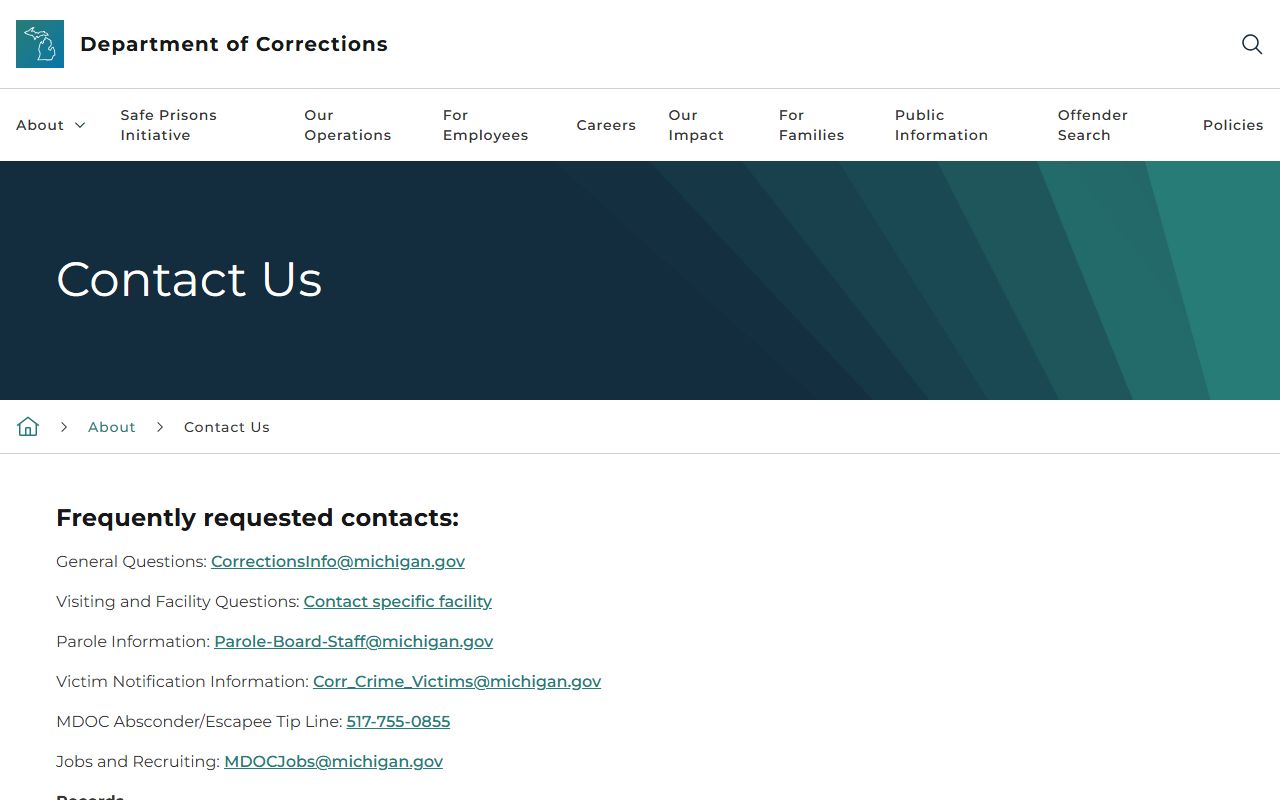
That page is not a records search, but it shows how corrections data sits apart from the open Gratiot County arrest records held by the court. Court access itself follows the Michigan court-record rule rather than the general public-records law, so the clerk and the court decide what a portal can show.
Note: Expunged and juvenile charge records are removed from routine public search, so confirm current status with the county clerk or the court before relying on any old result.